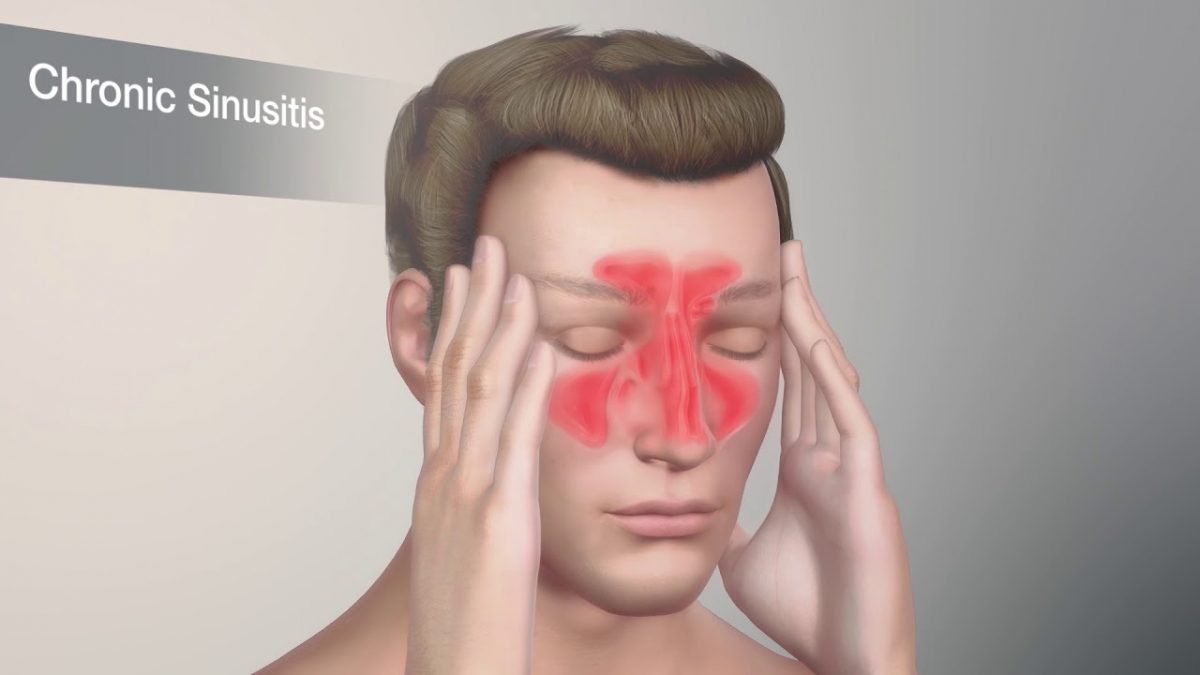
If you’ve been treating headaches with painkillers but the relief never lasts, the real culprit may not be in your head it may be in your nose. Allergies, sinusitis, and headache form a quiet chain that many patients live with for years before getting properly diagnosed.
How the chain works
- Allergy — Exposure to dust, pollen, mould, of the nasal lining (allergic rhinitis). This leads to congestion, sneezing, and a runny nose.
- Sinus blockage — Persistent inflammation blocks the small openings that drain the sinuses. Mucus gets trapped.
- Sinusitis — Trapped mucus becomes infected or chronically inflamed, causing facial pressure, post-nasal drip, and reduced sense of smell.
Breaking any link in this chain reduces the headache.
Signs your headache is part of this cycle
- Headache that worsens during allergy season or in dusty environments
- Daily morning headache with post-nasal drip
- Facial tenderness on touch
- Reduced or altered sense of smell
- Headache improves temporarily with decongestants but keeps returning
Why painkillers alone don’t work Painkillers mask symptoms but don’t address inflammation. Long-term use can also cause “medication-overuse headache,” where the painkillers themselves start triggering more headaches.
What proper evaluation looks like A specialist will typically take a detailed history, perform a nasal examination (often endoscopy), and may recommend allergy testing or sinus imaging. Treatment is then targeted — allergy control, nasal sprays, saline irrigation, addressing structural issues like a deviated septum, and lifestyle adjustments. An ENT Specialist Doctor in Kolkata can help build a plan that goes after the cause, not just the pain.
Takeaway If your headache and your nose keep showing up together, treat them together. To get a structured evaluation, book a consultation at a trusted ENT Clinic in Kolkata and stop the cycle at the source.
Leave a Reply